Day
Arrival and safety
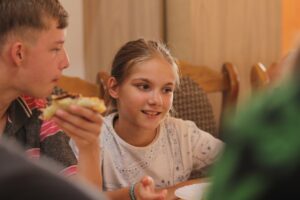
Introductions, settling in, the first shared evening. The goal: the child should fall asleep feeling safe.
Not an entertainment camp. A science-based methodology we have been developing since 2019 together with child psychologists, art therapists, and mentors. The goal is not to entertain, but to restore a child’s sense of safety and ability to trust.
Each day has its own therapeutic function. The order is not random: from safety to depth, from trust to independence, from individual to team-based.
Introductions, settling in, the first shared evening. The goal: the child should fall asleep feeling safe.
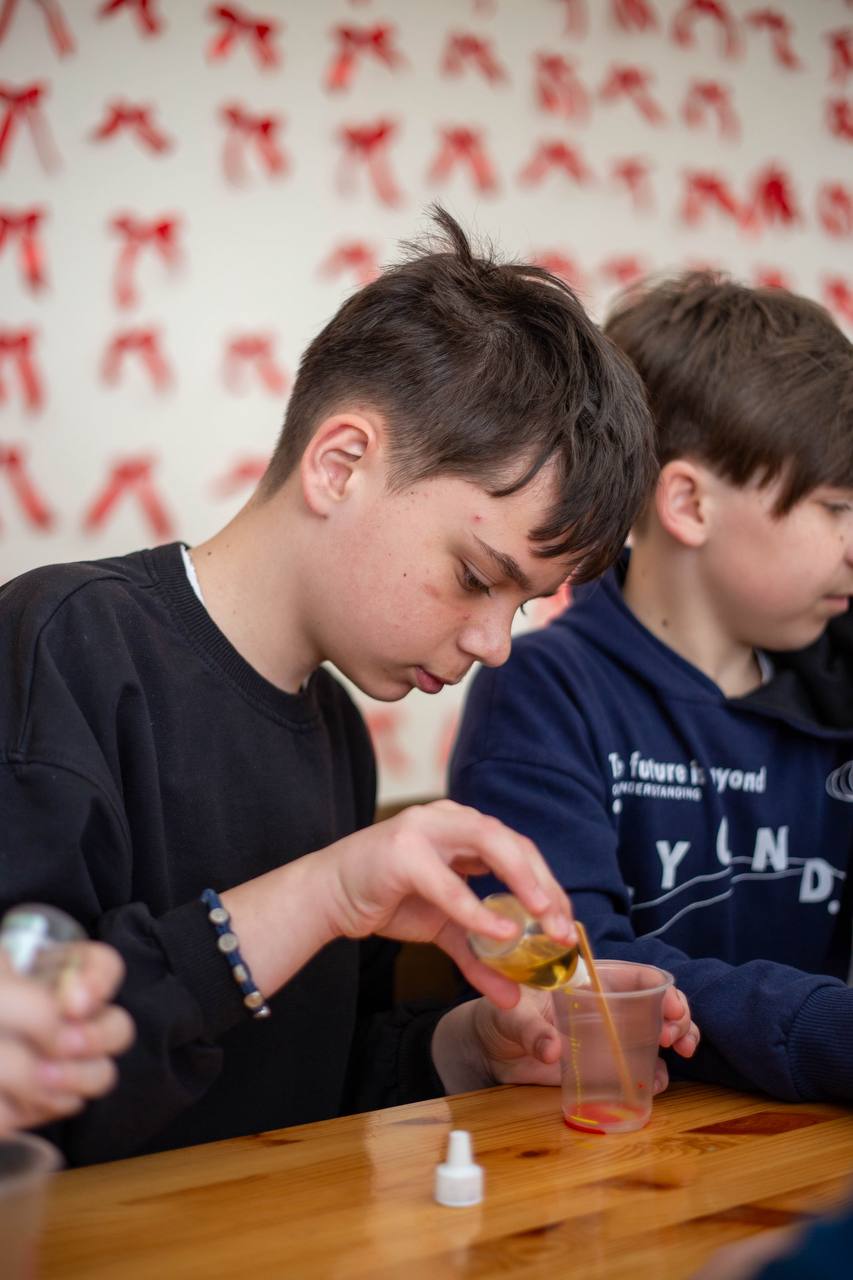
Drawing, clay, collage. The first “yes-no” without words. The psychologist observes.
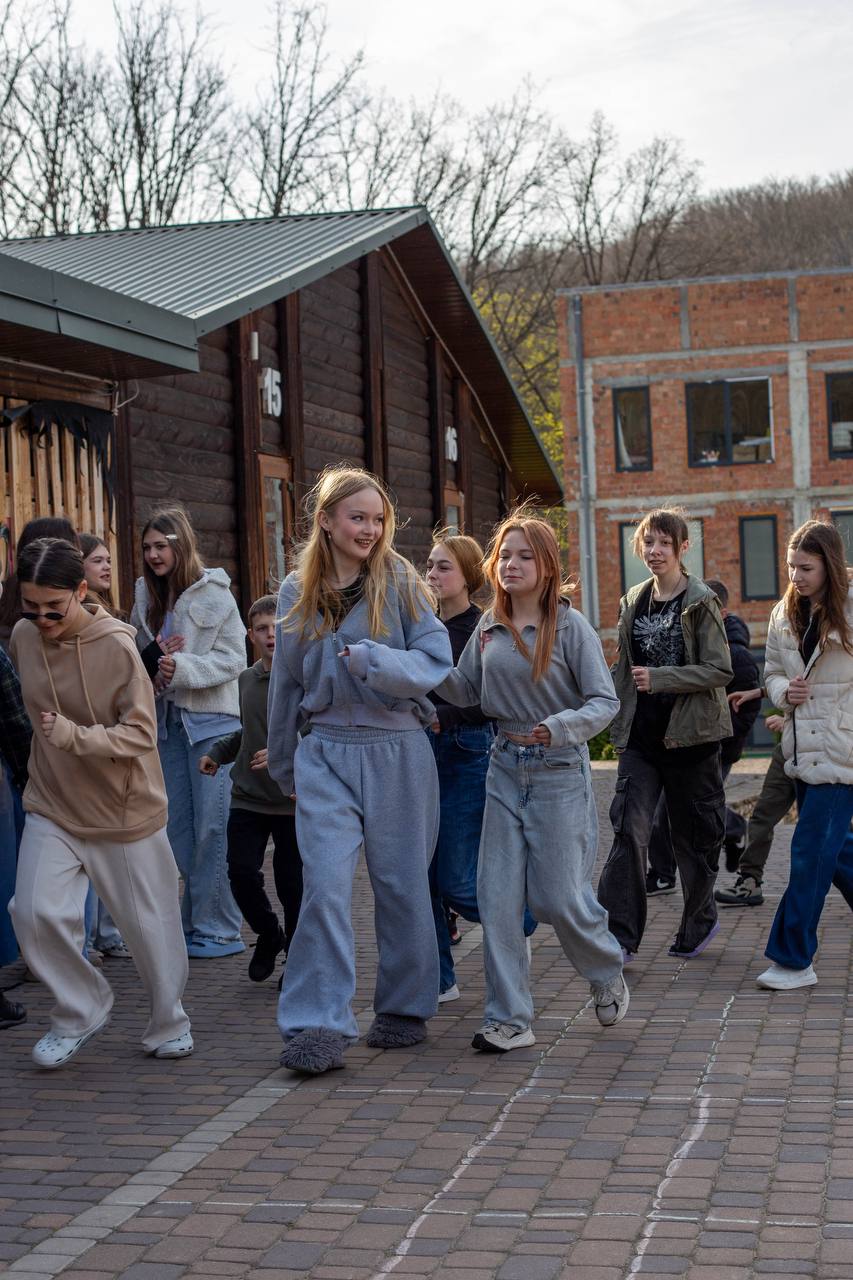
Forest, trail, games, and movement outdoors. The body “switches off” anxiety.
An individual session with a psychologist. What a child cannot say to mom’s acquaintance can be said here.
Group exercises, trust through shared activity. We are not alone, and the world is not only fear.
Dreams spoken out loud, a plan for the first week at home, a letter to yourself for “when things feel hard.”
Goodbyes, exchanging contacts, the first call with a mentor a week later. The connection remains.
We do not treat “one symptom.” We create an environment in which trauma is worked through from different directions at the same time.
Individual and group sessions with certified child psychologists who work with PTSD, grief, and anxiety. Every session includes a plan for what comes next.
“A child begins to hear themselves when they feel heard.”
Paint, clay, music, theater. A drawing often “speaks” faster than words, in which the child has not yet found themselves.
Working with horses. An animal has no prejudice, asks no questions — and reads a person faster than adults do.
A space of hope and meaning without moralizing. Conversations about what matters — when the child is ready.
An adult who keeps holding a hand for longer than one week. The mentor stays on after the program.
The full cost of a seven-day stay for one child. Every line item is specific.
Priority goes to children with the greatest need. Selection is carried out by a team of psychologists together with local social services.
An age group where trauma has already become apparent, but the mind’s flexibility still allows for deep work.
We prioritize children who lost a father on the front line, a loved one during shelling, or who live without parents in a frontline area.
Children with serious medical conditions go through a separate selection process — not all program formats are suitable for them.
If you know a child who needs help, or if you are a social service / school / psychologist — write to us. We will consider every case.
Contact us about a child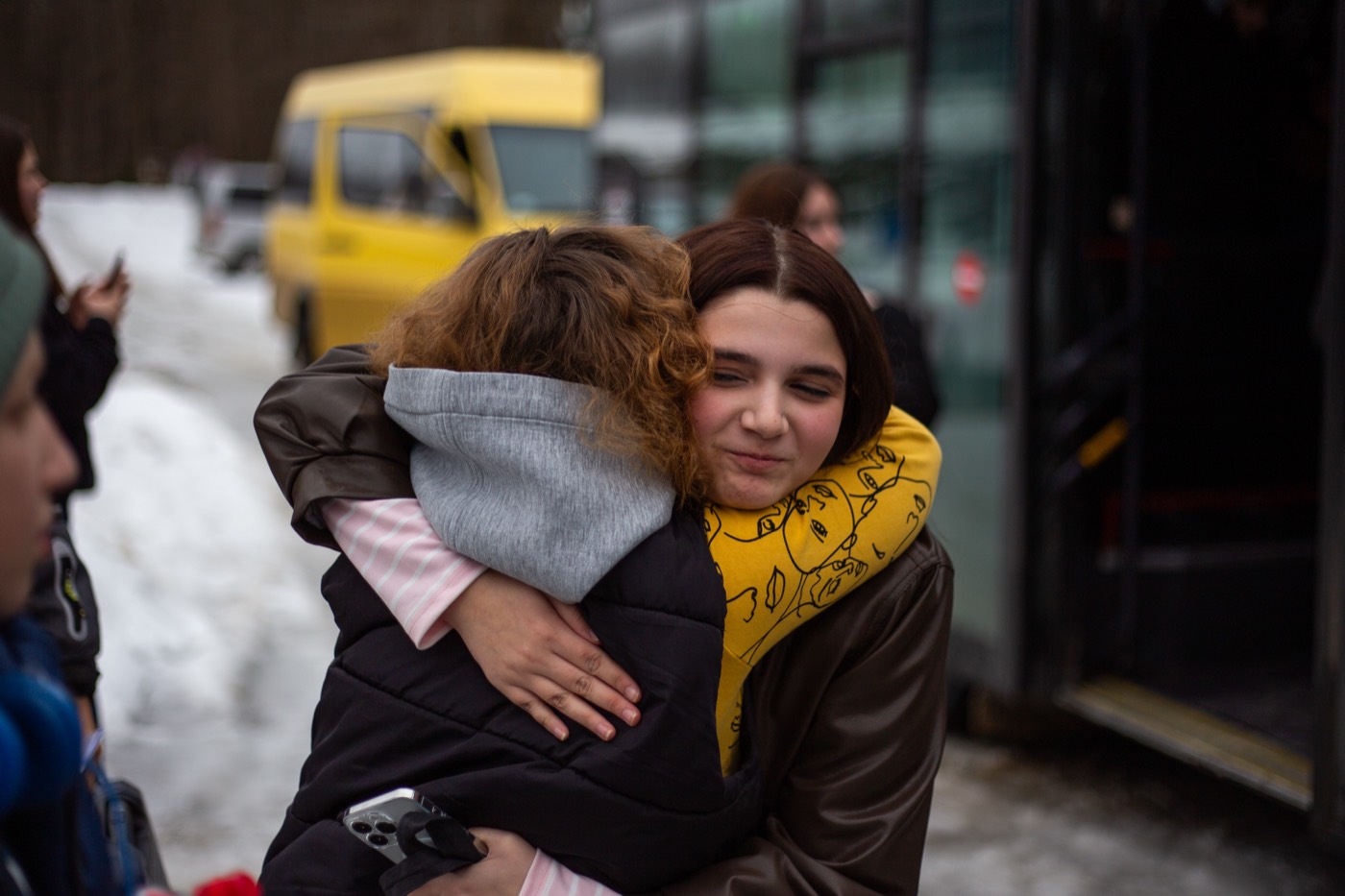
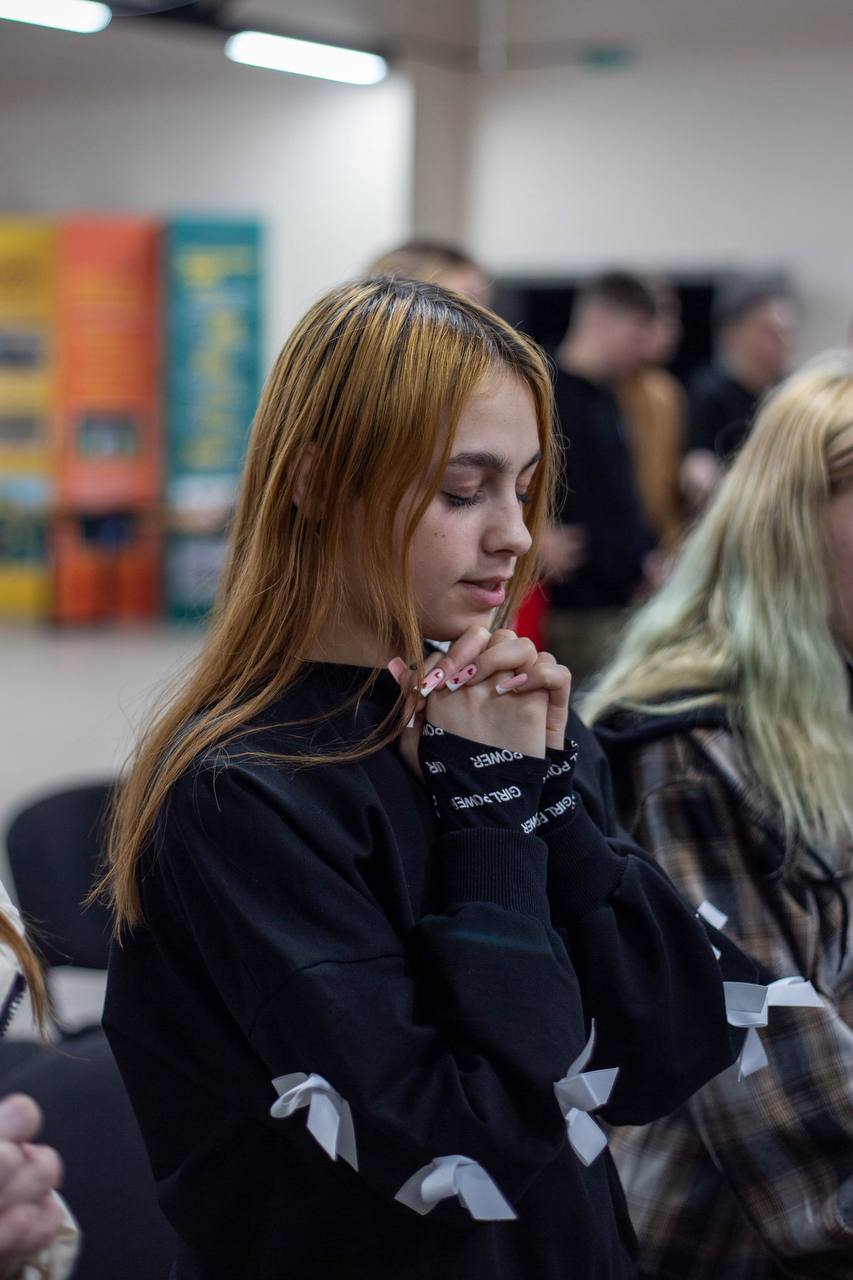
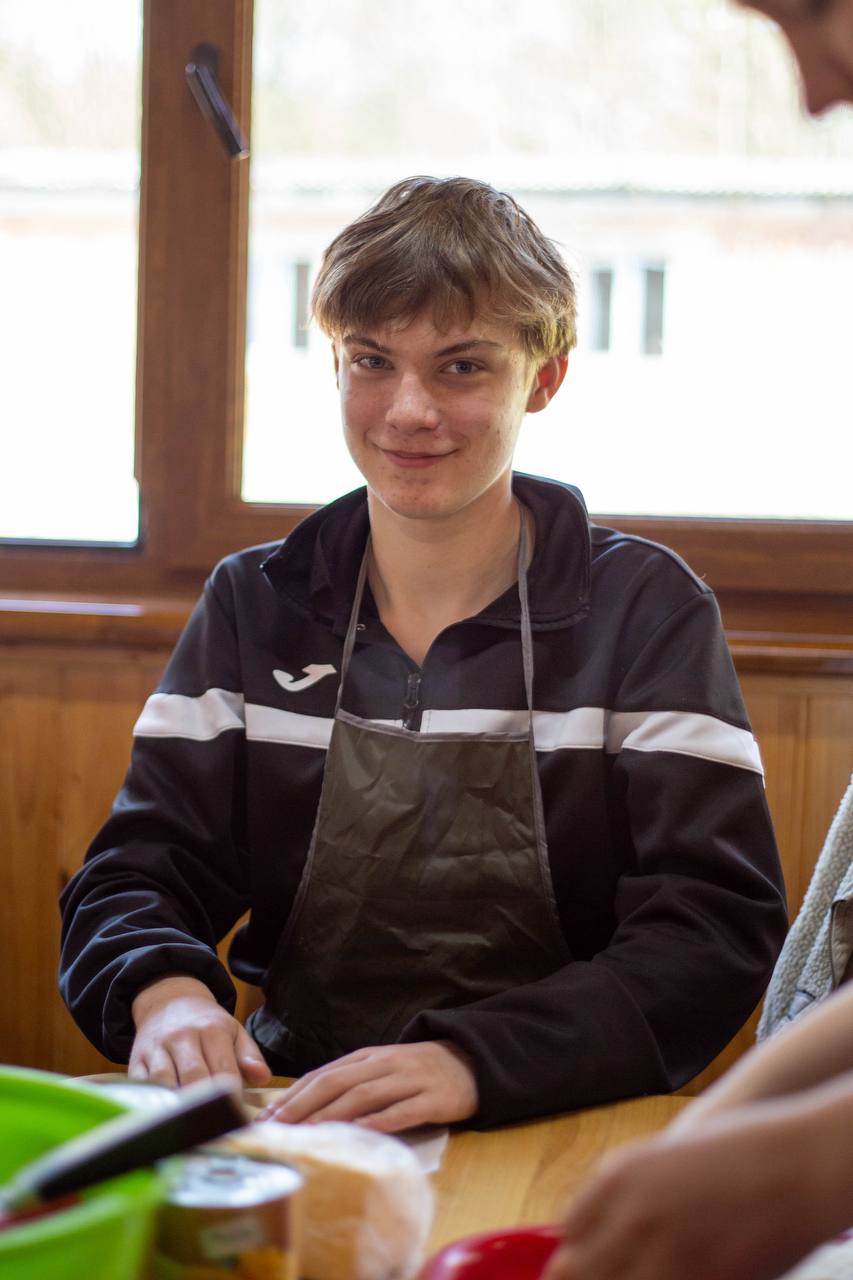
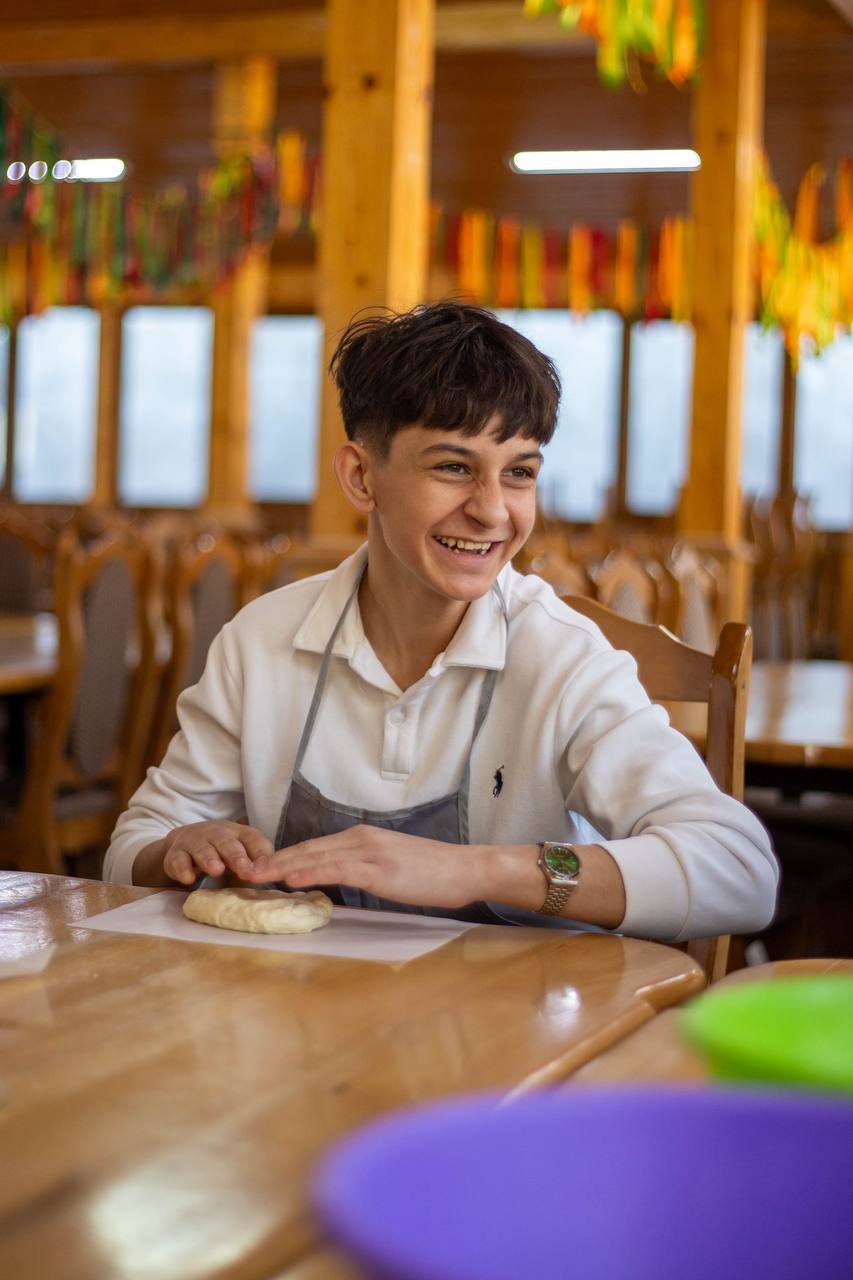
$120 is the full cost of one week for one child. If you give more, we’ll be able to invite children from frontline areas who rarely get access to programs.