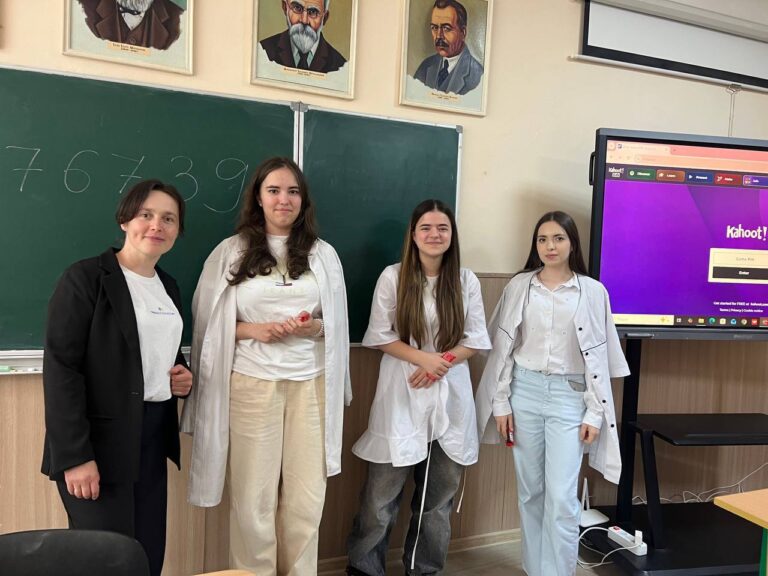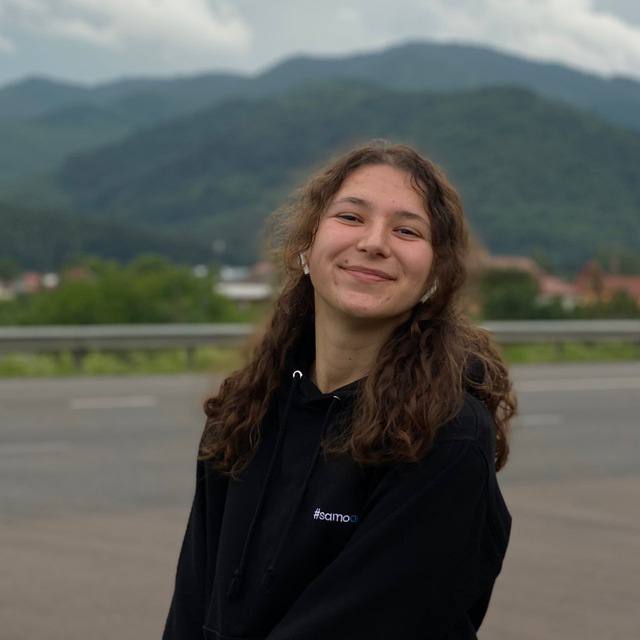
Anastasiia Skydan is a psychologist at our foundation and has been working with children during Recovery camp sessions since 2024.
— Why art therapy instead of a regular conversation?
“A child who has experienced trauma often cannot talk about it in words. Not because they do not want to, but because they did not know how to name it. At 8 years old, there is no vocabulary for ‘when I heard an explosion and could not breathe.’ Drawing gives shape to what has not yet taken form.”
— How do you know when a child is beginning to open up?
“After 2–3 days, something changes on a physical level. At first, their shoulders are up by their ears, their posture is closed off. Then I see that they’re sitting normally. That they laugh at a joke. That they were the first to speak up at lunch. Not right away about hard things — about little things. But that’s the sign that they’ve started to trust the space.”
— What is the hardest part of your work?
“The first three days. When the children are angry, irritable, ‘testing’ the adults. We must not react, not destroy the space. Hold safety without punishment. That is the most exhausting part.”
— What gives you the strength to keep going?
“The seventh day. When the children don’t want to go home. When they write letters to themselves ‘for when things get hard.’ When I see how a face has changed over the week. Then I understand — it works.”